
How to Create a Quiet Den for Calm-Down Time at Home
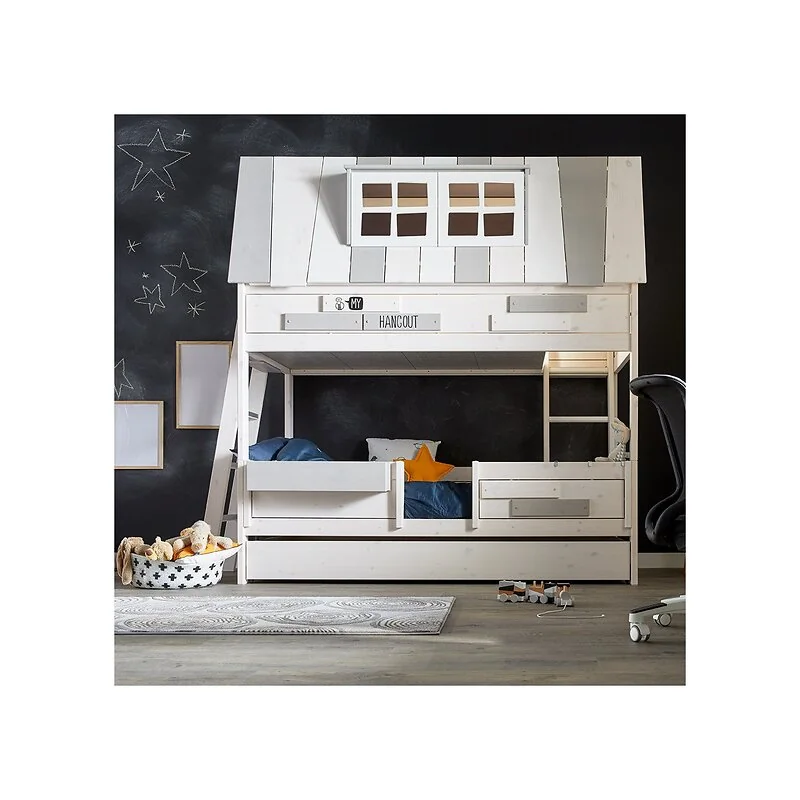
Many parents look for ways to help children manage big feelings without constant intervention. A calm down den offers a simple, consistent spot where kids can self-soothe during tantrums or when they feel overstimulated. Using soft furnishings, cushions and a teepee or similar hideaway creates an inviting retreat that encourages emotional regulation at home.
Why a calm down den helps children
Children often struggle to express overwhelming emotions. A dedicated quiet space gives them somewhere to step away from noise and activity. It teaches them that it is acceptable to take time out and that they have tools to feel calmer again. Over time this supports better emotional regulation.
The den works because it feels safe and predictable. Dim lighting, soft textures and familiar objects help the nervous system settle. UK parents often notice that once a child has a regular calm spot they begin to use it independently rather than always needing adult help.
Choosing the right location
Pick a corner of the playroom, bedroom or living area that is away from main thoroughfares. Avoid busy zones near the television or kitchen. A space under the stairs, beside a window seat or in the corner of a kids bedroom often works well.
Make sure the area is easy for your child to reach but still feels tucked away. Good visibility from the main room can be reassuring for younger ones while older children may prefer more privacy. The key is consistency – the same spot every time helps children associate it with feeling calm.
Essential soft furnishings for comfort
Layer the base with floor cushions, beanbags or a thick rug so children can sit or lie comfortably. Add plenty of pillows and throws they can rearrange themselves. Soft, tactile fabrics help with sensory regulation and make the space feel inviting.
Look for machine-washable options that stand up to regular use. A few weighted cushions or lap pads can provide gentle pressure that many children find soothing, though always check suitability with your health visitor if you are unsure. Visit our soft furnishings collection for ideas that fit neatly into a small den.
Creating cosy layers
Start with a non-slip rug or play mat as the foundation. Add several scatter cushions in different sizes and a couple of larger floor cushions for lounging. A soft throw or two allows children to wrap themselves up, which can be particularly comforting after a tantrum.
Keep textures varied – smooth cottons, fleecy fabrics and knitted blankets give sensory choice. Avoid anything too scratchy or with small parts that could pose a choking risk. Our range of bedding includes smaller pieces that work well in dens.
Using teepees and hideaways
A teepee or play tent instantly defines the space and gives children a sense of ownership. Choose one that is easy to put up and take down so you can adapt the area as your child grows. Some designs come with built-in pockets for storing books or calming objects.
Place the teepee against a wall to create a natural backrest. Add a small string of battery-operated fairy lights inside for gentle illumination without needing mains power. The enclosed feeling helps many children feel protected while still being part of the household.
For something more permanent, a kids bed with an integrated den combines sleep space and calm zone in one piece of furniture. These are especially useful in smaller homes where every corner counts.
Adding sensory and calming items
Stock the den with a few carefully chosen objects that support self-regulation. A small selection of books, a stress ball, headphones for quiet music or a sand timer can all help. Many children benefit from having a feelings chart or emotion cards they can look at when words are hard to find.
Include a couple of fidget toys or a soft toy they can hold. Some families add a lavender-scented cushion or a bottle of bubbles for blowing when breathing techniques are needed. Rotate items every few weeks to keep interest high without overwhelming the space.
A rotating bookshelf designed like a little house can hold books and small objects while doubling as decoration. See the kids house frame rotating bookshelf for a practical and playful storage solution.
Incorporating gentle lighting and sound
Harsh overhead lights can make overstimulation worse. Use a small table lamp with a warm bulb or clip-on light inside the teepee. Battery-powered options avoid trailing cables and are safer for little fingers.
Some children find white noise or gentle music helpful. A small speaker that plays rainfall or ocean sounds can be kept at low volume. Others prefer complete quiet. Let your child guide what works best for them and adjust as they grow.
Making the den part of daily routine
Introduce the space during calm moments first. Read stories together inside it or use it for quiet time before bed. Talk about it as a helpful place rather than a punishment corner. Phrases like “Shall we go to the calm den until you feel ready?” reinforce its positive purpose.
Older children might like a simple checklist of calming activities pinned inside. Breathing exercises, counting backwards or squeezing a cushion can all become familiar tools. Over time many children begin to suggest going to the den themselves when they recognise the warning signs of overwhelm.
For extra seating outside the den itself, a comfortable rocking chair nearby gives parents a place to sit quietly while remaining available if needed.
Adapting the space as children grow
What works at age three may need tweaking by age seven. As children get taller, swap floor cushions for a small daybed or reading nook. Older children often prefer a desk area within the zone where they can draw or write feelings down.
Keep the core elements – soft textures, defined boundaries and personal objects – but allow more independence in how the space is arranged. Teenagers might simply need a favourite beanbag and headphones in a quiet corner rather than a full teepee.
Our children’s daybeds offer flexible options that can grow with your family and provide both seating and calm space in one.
Creating a calm down den does not need to be complicated. With thoughtful use of soft furnishings, a simple structure and a few comforting items you can give your child a practical tool for managing emotions. The den becomes a visible reminder that feelings are manageable and that home can contain both lively play and peaceful retreat.
Take a look around your existing rooms and see which corner might work. Start small, observe what your child responds to and build from there. Many UK families find that once the den is in place it quickly becomes one of the most used spots in the house – for children and sometimes for parents too.