
Creative Display Ideas for Children’s Artwork in Play Spaces
Looking for smart ways to show off your children’s latest masterpieces without the playroom turning into a permanent exhibition? Rotating gallery solutions let you swap pieces easily, keep walls flexible and turn everyday furniture into display spots that grow with your family.
Walls that work as weekly galleries
Blank walls in play spaces are perfect for temporary displays. Using removable hooks, clips or washi tape means drawings, paintings and collages can be updated in minutes. Many families choose a dedicated wall section that becomes the official gallery, making it easy for little ones to see their work celebrated.
Try arranging pieces at child height so they can admire their own efforts. Magnetic paint or metal sheets behind a feature wall let you attach work with magnets and rearrange in seconds. This approach keeps the room feeling fresh and prevents that cluttered look that builds up when everything stays up forever.
Rotating themes to keep it interesting
Some parents set a weekly or monthly theme: this week it’s dinosaurs, next it’s family portraits. Rotating the selection teaches children that art is an ongoing process rather than a finished product to be stored away. It also stops any single piece from fading into the background.
Rails and rails for easy swaps
Picture rails or simple wooden battens with clips offer a practical solution for rotating displays. Hang a length of rail along one playroom wall and use small clips or pegs to hold artwork. When new pieces arrive, older ones can move to a folder or portfolio box without leaving sticky marks or holes.
This system works particularly well in busy family homes because it allows several children to display work at once. You can even label sections with each child’s name so everyone feels included. Rails also add a nice architectural detail to the room without needing permanent fixtures.
For a more flexible option, consider tension rods or adjustable curtain wires stretched across a corner. These create instant mini galleries that can be taken down when the playroom needs a different layout.
Furniture that doubles as display space
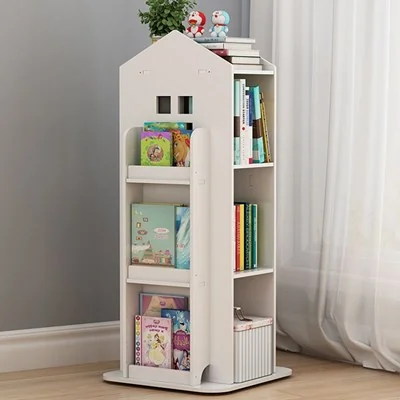
Thoughtful furniture choices can turn storage into art display without taking extra floor space. A rotating bookshelf, for example, gives you multiple sides to pin or clip drawings while still holding books and toys. The Living & Home Kids' House Frame Rotating Bookshelf is a clever pick that combines storage with display in one compact piece.
Low bookcases with flat tops or shallow shelves also work well for propping up larger artwork. Placing a few favourite pieces on a kids table and chairs set creates an instant gallery corner where children can sit and draw surrounded by their own work.
Beanbags positioned near a display wall turn the area into a cosy viewing spot. The kids beanbags range offers comfortable seating that encourages little ones to linger and look at what they have created.
Playhouse beds with built-in gallery potential
Many themed beds and play structures have rails, roofs or side panels that can hold lightweight artwork using clips or low-tack tape. A playhouse bed becomes even more personal when children decorate the inside walls with their drawings. The Flair Explorer Single Play House Floor Bed with Rails Wooden offers plenty of surfaces that lend themselves to temporary displays.
Similarly, cabin-style or mid-sleeper beds with storage often have headboards or side panels perfect for pinning up a changing selection of creations. This approach keeps artwork visible during quiet time or bedtime stories without spreading across the whole room.
When choosing beds with display potential, look at models from ranges such as Flair Kids Beds and Furniture or VOX Kids Bedroom Furniture that combine practical sleeping spaces with imaginative play features.
Portable and seasonal displays
Not every piece needs to stay in the playroom. A folding screen or room divider covered in fabric lets you pin artwork on both sides and move it between rooms as needed. In summer, some families move part of the gallery outdoors to the kids outdoor furniture area so grandparents can admire the latest works during garden play.
Seasonal rotations work nicely too. Autumn leaves and handprint turkeys can make way for winter snowflakes and then spring flowers. This keeps the displays feeling current and gives children a reason to create new pieces for each change.
Simple storage for artwork between displays
Once a piece has had its time in the spotlight, it needs a good home. Large portfolios, concertina folders or simple cardboard boxes labelled by year work well. Some parents keep a small selection in a pretty box on a shelf so children can revisit favourites.
A dedicated art trolley or the lower shelves of a kids furniture unit can hold supplies and finished work together. This encourages tidy habits while making sure nothing gets lost or damaged.
For very special pieces, framing one or two each year creates a permanent memory without filling the walls. The rest can rotate through the gallery system, keeping the playroom lively and clutter-free.
Encouraging creativity through display
When children see their work valued and given space, they are more likely to keep creating. Rotating displays show that every stage of their artistic journey matters. It also teaches them about curation and making choices about what to show.
Try involving them in the swapping process. Ask which piece should go up next or which one has been up longest. This turns display time into a shared activity rather than another parental task.
Many families find that a combination of wall rails, clever furniture and occasional furniture accents such as mini armchairs creates a playroom that feels both creative and calm. The Kidsaw Lamb Children’s Mini Armchair Off White Bouclé tucked in a gallery corner makes a lovely reading or thinking spot surrounded by ever-changing art.
With a few simple systems in place, you can celebrate every scribble, painting and collage without the playroom ever feeling overwhelmed. The key is flexibility, regular rotation and furniture that works as hard as the walls do.