
Built-In vs Freestanding Bookcases: Which Suits Your Home?
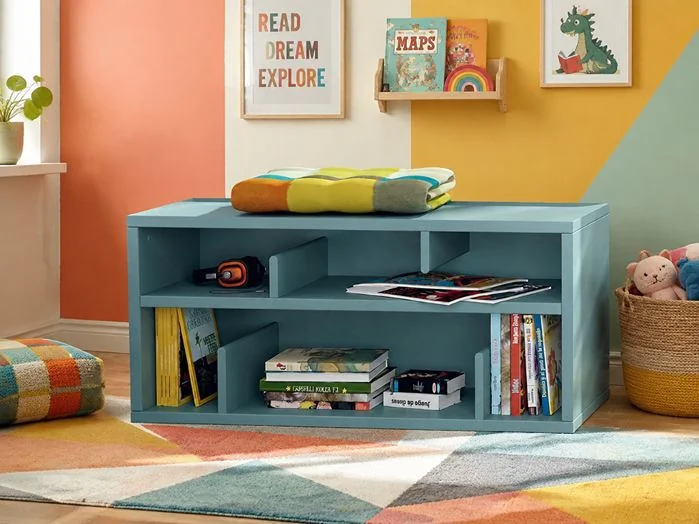
Deciding between built-in and freestanding bookcases often comes down to your home layout, whether you own or rent, and how much flexibility you need. Freestanding designs suit most UK families because they can move with you, while built-in options work well in period properties with alcoves or new builds with awkward corners. Both can create inviting spots for stories and play in children's rooms.
Understanding Built-In Bookcases
Built-in bookcases are fitted directly into the wall or within existing alcoves, often made to measure. In many Victorian or Edwardian terraces common across the UK, the recesses either side of a chimney breast are perfect for this approach. They give a seamless look and can make small rooms feel larger by removing the need for bulky standalone furniture.
Pros of built-in designs
- Maximise every centimetre of space in awkward layouts
- Create a permanent, tidy storage solution that blends with the room
- Reduce floor space taken up by furniture legs and gaps
- Can include window seats or desk areas in larger alcoves
Cons of built-in designs
- Usually not possible in rental properties without landlord permission
- More expensive and disruptive to install
- Difficult to take with you when you move
- Less adaptable if your child's interests or storage needs change
If you live in a modern new-build with standard room shapes, built-in options may offer less benefit unless you are planning a complete fitted bedroom. For more ideas on fitted furniture, browse our Kids Wardrobes collection which often pairs well with made-to-measure storage.
Why Freestanding Bookcases Are Popular with Families
Freestanding bookcases can be placed anywhere, repositioned easily, and removed without leaving marks. This makes them ideal for the many UK families who rent or expect to move within a few years. In a typical three-bed semi, a tall narrow unit can fit neatly beside a bed or in a corner of a playroom without major changes to the room.
Pros of freestanding bookcases
- No installation damage to walls or rental property rules broken
- Easy to rearrange as children grow and rooms change use
- Wide choice of styles, colours and sizes to suit any theme
- Often cheaper and quicker to add to a room
Cons of freestanding bookcases
- Can take up more visible floor space
- May look less integrated in rooms with unusual features
- Need to be secured to the wall for safety, especially in homes with young children
- Dust can gather behind and underneath
Look for designs with a small footprint that still hold plenty of books. The Mathy By Bols Madaket Low Children’s Bookcase is a lovely low option that keeps everything within easy reach for little ones while doubling as display space.
Installation and Safety in UK Homes
Freestanding bookcases must always be fixed to the wall. Most UK houses have plasterboard stud walls or solid brick, so choose the right fixings for your property type. In older homes with lath and plaster, extra care is needed. For safety guidance on furniture in children's rooms, refer to RoSPA home safety advice.
Built-in units require professional joinery in most cases. If you are in a conservation area or listed building, check with your local council before making permanent changes. In rented accommodation, always get written permission from the landlord before fixing anything to walls or altering the room.
Top bunks are generally not recommended for children under 6. The same thinking applies to tall bookcases: anchor them securely and keep heavier items on lower shelves. Our Kids' Bunk Beds category includes further safety considerations that apply to tall furniture too.
Choosing the Right Bookcase for Kids' Rooms
Children's bookcases need to be sturdy, have rounded edges where possible, and offer easy access. Low units encourage independent tidying, while taller designs with a mix of open and closed storage can grow with them. In smaller UK bedrooms, a narrow modular system lets you add sections as needed.
The Vox 4 You Fresh Bifold 4 Door Wardrobe with Built in Drawers shows how modular furniture can combine storage types. Pair it with a bookcase from the Kids Shelves and Bookcases range for a coordinated look.
For a fun, flexible choice that children love, consider the Living & Home Kids' House Frame Rotating Bookshelf. Its rotating design adds an element of play while keeping books accessible from all sides, perfect for playrooms or shared bedrooms.
Bookcases in Rental Properties and Small Spaces
Renting often means working with neutral walls, limited fixing options and the need to restore the room when you leave. Freestanding units that can be moved between houses are the practical choice. In flats or terraced homes with limited floor area, opt for vertical storage that uses height rather than width.
Modular designs such as the Vox Stige Modular Bookcase let you start small and expand later. They also work well in attic bedrooms or rooms with sloping ceilings common in UK conversions.
Combining Bookcases with Other Kids' Furniture
Bookcases rarely sit alone. In a child's bedroom they often sit alongside beds with storage or near a reading corner. A low bookcase paired with floor cushions creates an inviting spot for quiet time. In playrooms, several units can form a room divider without blocking light.
If space is tight, look at beds that incorporate shelving. Our Kids' Storage Beds and Kids' Mid Sleeper Beds categories include designs that free up wall space for book storage. For a complete room update, the Themed Kids Bedrooms collection shows how bookcases can tie a theme together.
Whatever you choose, the best bookcase is one that gets used. Place it where children can reach their favourites easily and where you can keep an eye on tidy-up time. Visit our main Kids Furniture hub for more inspiration on creating practical and fun spaces that work for real family life.