
Toy Rotation Systems That Reduce Clutter Long-Term
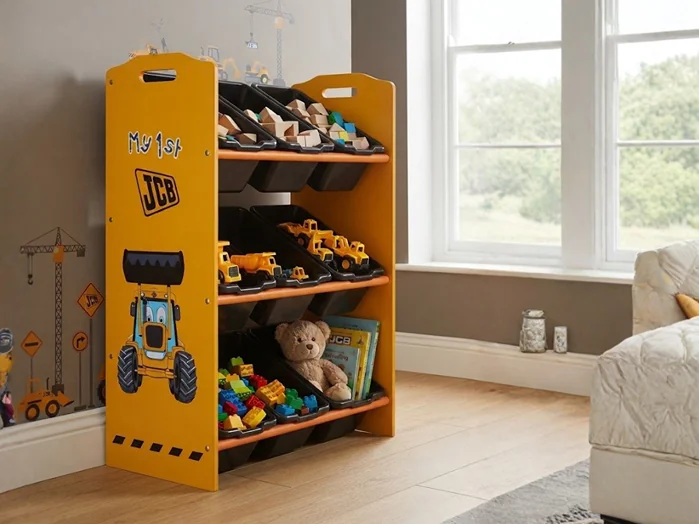
A toy rotation system is a practical way for UK parents to keep bedrooms tidy without constantly buying new toys or battling daily mess. By cycling toys in and out of storage, children stay engaged while the floor stays clearer.
Why toy rotation works in British homes
Most UK family homes have limited space, especially in bedrooms and play areas. A rotation system means only a selection of toys is available at any time. The rest stay neatly stored until their turn comes round again. Children often play more creatively with fewer options, and parents spend less time tidying.
The approach suits everything from small terraced houses to larger family homes. It works particularly well once children reach toddler age and beyond, when the volume of toys tends to grow quickly. Rotating also helps extend the life of favourite items that might otherwise be forgotten at the bottom of a pile.
Getting started with a basic rotation plan
Begin by sorting toys into clear groups. Think about themes such as construction, role play, books, puzzles and vehicles. Aim to create three or four sets that you can rotate every few weeks. Store the waiting sets in a cupboard, under the bed or in a spare wardrobe.
Choose a regular time to swap – perhaps at the start of each half term or when the current selection starts to lose its appeal. Involve your child in the swap if they are old enough; it can feel like a special event rather than a clear-out.
Storage solutions that make rotation easier
Good storage is the backbone of any successful system. Look for pieces that are easy to access and clearly labelled. Clear bins, fabric baskets and rolling carts all help children put things away independently.
Toy storage ranges from simple shelving to clever multi-use designs. A Kidsaw JCB 9 Bin Kids Toy Storage Organiser Yellow offers bright, sturdy bins that double as a play table. For smaller spaces, consider a Vox Muve Kids Storage Cart with Wheels Beige & Oak Effect that can be moved from bedroom to playroom as needed.
Many families also use storage beds to hide away out-of-rotation toys. These keep things out of sight yet easy to retrieve when the time comes.
Creating a rotation schedule that suits your family
A simple four-week cycle often works well. Week one might focus on building and drawing toys, week two on imaginative play, and so on. Adjust the length of each rotation to match your child's attention span – shorter cycles for younger ones, longer for school-age children who like to develop complex games.
Keep a note of what is currently out. Some parents use a whiteboard on the back of the bedroom door or a simple list on the fridge. This prevents the same toys appearing too frequently and helps you remember which sets have been popular.
Combining rotation with clever bedroom furniture
Storage beds and mid-sleepers are particularly useful for families using rotation. They provide hidden space for the toys not currently in play, keeping bedrooms calmer and more restful.
A Kids Avenue Estella Mid Sleeper Cabin Bed with Desk and Storage gives older children both play space underneath and room to store several rotation boxes. For younger ones, an Kids Avenue Ordi Midi Playhouse Mid Sleeper Bed with Storage White combines fun and function in one piece.
If space is tight, look at Kids' Storage Beds that lift up to reveal generous under-bed areas. Pair these with a few open shelves so the toys that are in rotation stay visible and inviting.
Adapting the system as children grow
Toddlers benefit from very visual rotation with large, open baskets and bright labels. By the time they reach primary school, many children can help choose what comes out next and enjoy the surprise element. Teenagers might rotate collections of books, craft supplies or gaming accessories instead of traditional toys.
Regularly review what is being used. Toys that are never chosen can be passed on or stored for younger relatives. This keeps the overall collection manageable and prevents bedrooms from becoming overwhelmed again.
Linking rotation to playroom and living areas
Not every toy needs to live in the bedroom. Many families rotate between bedroom, playroom and even the living room. A few favourite items might stay permanently accessible while the rest follow the rotation cycle.
Kids Storage options such as the Bloomingville Rhino Kids Stool With Storage work well in living spaces where a small amount of play happens each day. For dedicated play areas, larger systems from the Kids Furniture range help divide zones and keep everything organised.
Long-term benefits parents notice
Over months and years, families who stick with rotation often notice calmer mornings, easier bedtimes and more creative play. Children learn to value what they have rather than always wanting the next new thing. The house feels tidier without constant battles over mess.
Start small. Even rotating two or three groups of toys can make a noticeable difference. Once the routine is established, it becomes second nature and one of the simplest ways to keep family spaces working well for everyone.