
Toy Rotation Systems Using Storage Boxes for Less Clutter
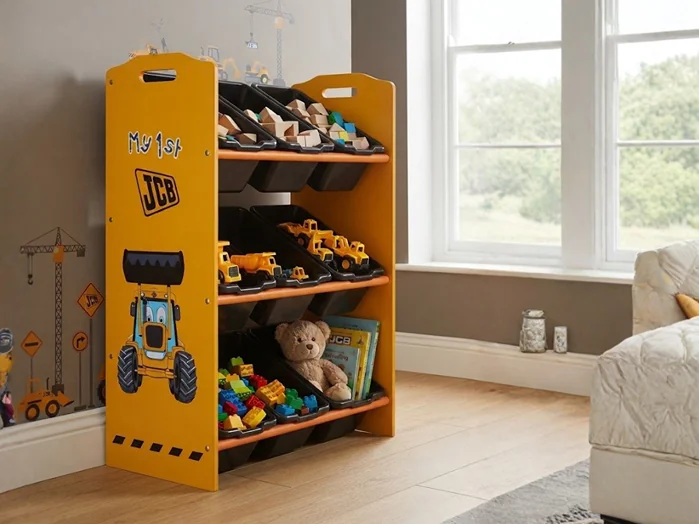
Toy rotation is a practical way for UK parents to keep children engaged while cutting down on the daily mess. By sorting toys into labelled storage boxes and cycling them in and out of the play space, you only need a smaller selection out at once. This approach works in bedrooms, playrooms and living areas alike.
Why toy rotation helps families
Most homes fill up with toys quickly. Children often lose interest in items that sit out all the time, yet bringing everything out at once creates chaos. A rotation system solves both problems. Toys feel new again when they reappear after a break, and the house stays tidier because there is simply less to tidy.
Many parents find that children play more creatively with fewer choices. Instead of rushing between dozens of options, they focus and invent new games. The system also teaches simple organisation skills from an early age.
Choosing the right storage boxes
Clear or colourful boxes that stack neatly make rotation straightforward. Look for sturdy options with lids to keep dust off stored toys. Labelling is key so everyone in the family knows what belongs inside.
Plastic crates, fabric bins and wooden crates all work well. Some families use a mix depending on the toy type. Soft toys suit breathable fabric boxes, while small building pieces stay tidy in boxes with secure lids. For a fun touch that children enjoy helping with, a bright organiser like the Kidsaw JCB 9 Bin Kids Toy Storage Organiser Yellow keeps things sorted and cheerful.
Labelling ideas that actually get used
Keep labels simple and visual. Young children respond well to pictures as well as words. Use a permanent marker on card, or print labels and laminate them. Categories that work for many families include:
- Building and construction
- Animals and figures
- Vehicles and transport
- Dressing up and role play
- Puzzles and games
- Art and craft supplies
Rotate one or two categories at a time so the change feels manageable. Store the rest in a cupboard, under a bed or in the loft until their turn comes round again.
Setting up a simple rotation schedule
Decide how often to swap toys based on your family routine. Some parents rotate every two weeks, others once a month. A Sunday evening swap can become a calm weekly ritual that children look forward to.
- Choose four to six boxes to keep out.
- Put the rest away in a designated storage spot.
- After the chosen period, swap the boxes for a fresh set.
- Let children help choose what comes out next so they feel involved.
This method works particularly well during school terms when days are busy. At weekends or holidays you can bring out extra boxes for longer play sessions.
Combining rotation with clever furniture
Storage furniture makes rotation even easier. Beds with built-in drawers or ottomans let you keep spare boxes close without taking up floor space. A mid-sleeper or cabin bed with storage underneath can hold several rotation boxes ready for the next changeover.
Many families use Kids' Storage Beds to tuck away out-of-rotation toys neatly. An ottoman at the end of the bed or in a playroom corner provides extra space that doubles as seating. The Kids Avenue Heritage Wooden Ottoman Bed with Storage offers a classic look while hiding a surprising amount inside.
For smaller spaces, a storage cart on wheels lets you move the current rotation toys from bedroom to living room and back again. The Vox Muve Kids Storage Cart with Wheels Beige & Oak Effect is handy for this.
Keeping children engaged with fewer toys
When fewer toys are available, children often discover new ways to play with them. A box of wooden figures might be used as zoo animals one week and space explorers the next. This creativity grows when the same items stay out long enough to be fully explored but not so long that they become invisible.
Pair rotation with open-ended toys that encourage imagination. Wooden Toys and simple building sets work especially well in a rotation system because they never seem to grow old. A wooden activity toy such as the Kids Concept Edvin Wooden Activity Hammer Bench Toy can be brought out regularly and still hold attention.
Rotate ride-on toys, rocking horses and larger items less frequently since they take more space. Bringing out a favourite Kids Ride on Toys every few months creates genuine excitement.
Making rotation part of everyday life
Once the system is running, maintenance stays light. Spend ten minutes at the end of each rotation period sorting any stray pieces back into the correct boxes. Involve children in the process so they learn where things belong and take pride in the tidy result.
Many parents combine toy rotation with regular decluttering. Before each swap, remove any broken items or toys that no longer interest anyone. The Toy Storage category has plenty of solutions for the items you decide to keep in circulation.
For a complete refresh of the play space, look at Kids Storage options that match your rotation boxes. A few coordinated pieces can turn a cluttered corner into a calm, inviting play area that children return to happily.
Adapting the system as children grow
Toy rotation changes with age. Toddlers need simpler categories and more frequent swaps. School-age children enjoy helping to label boxes and choosing themes for the next rotation. Teenagers might rotate hobbies and sports equipment instead of plastic toys.
The same storage boxes often continue to serve new purposes. What once held building bricks can later store art materials or board games. This flexibility makes the initial effort worthwhile for years to come.
Many families also rotate books alongside toys. A fresh selection of stories every fortnight keeps bedtime reading interesting without needing a vast library. Combine this with a comfortable reading spot using Children's Daybeds that offer both seating and hidden storage underneath.
Start small if the idea feels overwhelming. Begin with one or two boxes and build the habit before expanding. Within a few weeks most families notice less mess, calmer playtimes and children who seem more content with what they have.
The combination of labelled storage boxes and thoughtful rotation gives UK parents a practical tool that grows with the family. Less clutter, more focus, and toys that feel exciting again each time they reappear.