
Natural Light and Blackout Solutions for UK Nurseries
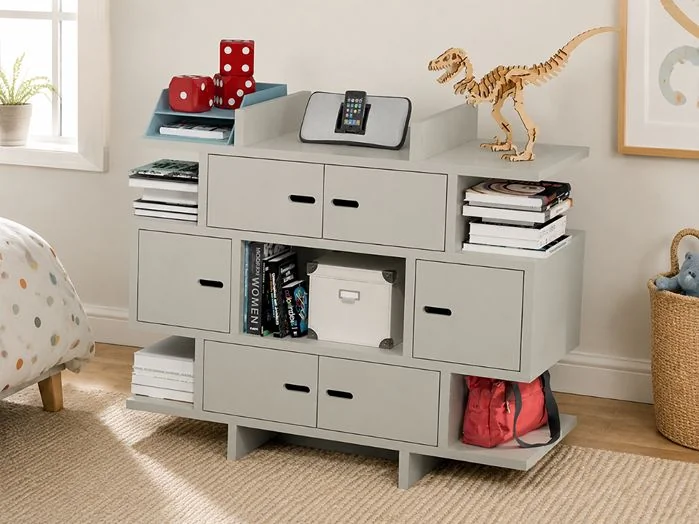
British nurseries face changing light levels throughout the year. Long summer evenings and bright winter mornings can make settling babies tricky. Blackout solutions let you control natural light while keeping the room cosy and practical for cots, changing stations and night feeds.
Why light control matters in a nursery
Consistent darkness helps babies recognise sleep time. In the UK, daylight hours swing dramatically between midsummer and midwinter. Good window treatments allow you to create a dark, calm space at any time of day without making the room feel gloomy when you need natural light for play or changing.
Many parents combine blackout blinds with curtains that still let daylight filter through during awake hours. This flexibility works well around daily routines involving cots and changing areas.
Choosing blackout options that suit cots
Cots are often placed near windows for natural light during the day. The right window treatment keeps early morning sun from waking a sleeping baby while remaining safe.
Look for cordless or concealed-fix blinds that sit neatly within the window recess. These reduce dangling cords near cots. Pair them with simple curtains that can be tied back during the day so you maintain a clear view of the cot from across the room.
When choosing nursery furniture alongside window treatments, consider how the cot position affects light flow. A south-facing window may need stronger blackout than one facing north.
Seasonal adjustments for cot rooms
In spring and summer, full blackout helps with later bedtimes and early sunrises. Come autumn and winter, you may prefer lighter options that block only the brightest glare while still allowing some natural light for daytime naps.
Window treatments around changing stations
Changing stations need good visibility for safety. Many UK parents place them near a window for natural light during daytime changes. Blackout solutions here should be easy to adjust with one hand while keeping the other on baby.
Roller blinds that pull down quickly are popular. They can be lowered for a quick nap after a change or raised fully for bright, safe changing. Pairing a changing unit with storage for spare muslins and creams keeps everything within easy reach.
Our range of Baby Changing Units includes designs that work beautifully beside windows. The Mathy By Bols Madaket Nursery Dresser with Changing Table offers a sturdy surface with storage below, ideal next to adjustable window coverings.
Practical changing unit ideas
Choose a changing unit with a removable top that can grow with your child. Models with drawers or shelves let you store blackout curtain ties, spare blackout liners or night lights without cluttering the surface.
The Mathy By Bols Madavin Changing Unit with Drawers in Natural Birch Legs gives plenty of storage while looking smart in a naturally lit nursery.
Supporting feeding routines with light control
Night feeds work best in low light. A room that can go from soft daylight to gentle darkness helps both parent and baby stay calm. Blackout curtains or blinds let you dim the room quickly without switching on bright overhead lights.
Many parents add a small lamp or dimmable light near the feeding chair. When combined with window treatments, this creates a peaceful corner even on the brightest summer evening.
If your nursery doubles as a feeding space, consider furniture that supports both functions. A Children's Daybed offers comfortable seating for feeds that converts to extra sleeping space later.
Layering window treatments for UK seasons
UK weather is rarely predictable. Layering gives you control. Start with a blackout roller blind fixed inside the recess for maximum light blocking. Add thermal curtains for insulation during colder months. In warmer weather, you can swap to lighter linen curtains that still block glare when needed.
This approach works well in rooms with both cots and changing stations. During winter, the thermal layer helps keep the nursery warm for night changes. In summer, the blackout blind alone can create darkness for afternoon naps without trapping heat.
Simple seasonal swaps
- Spring: Light-filtering curtains plus removable blackout panels
- Summer: Full blackout blinds for long daylight hours
- Autumn: Thermal curtains to retain warmth during earlier sunsets
- Winter: Combined layers to manage short, bright days
Safety and practical tips for nursery windows
Always follow official UK guidance on blind cords and safety. The Lullaby Trust offers advice on safe infant sleep environments, while RoSPA provides general home safety information. Keep all cords well out of reach of cots and changing areas.
Choose fabrics that are easy to clean. Nursery windows can attract condensation in winter and dust in summer. Machine-washable curtains or wipe-clean blinds make maintenance simple when you're already busy with feeding and changing routines.
For older toddlers moving from cot to bed, the same blackout solutions continue to support good sleep habits. Many families keep the same window treatments when transitioning to Children's Single Beds.
Bringing it all together
A well-planned nursery balances natural light with the ability to create darkness when needed. By choosing flexible blackout solutions that work around your cot, changing station and feeding chair, you create a room that supports your routines through every season.
The key is adjustability. Take time to consider how the light falls in your nursery at different times of day. The right window treatments will help everyone sleep better and make daytime care more comfortable too.
Explore more ideas in our Kids Furniture section or browse the full Kids collection for coordinating pieces.