
High Sleeper vs Cabin Bed: Which Saves More Space?
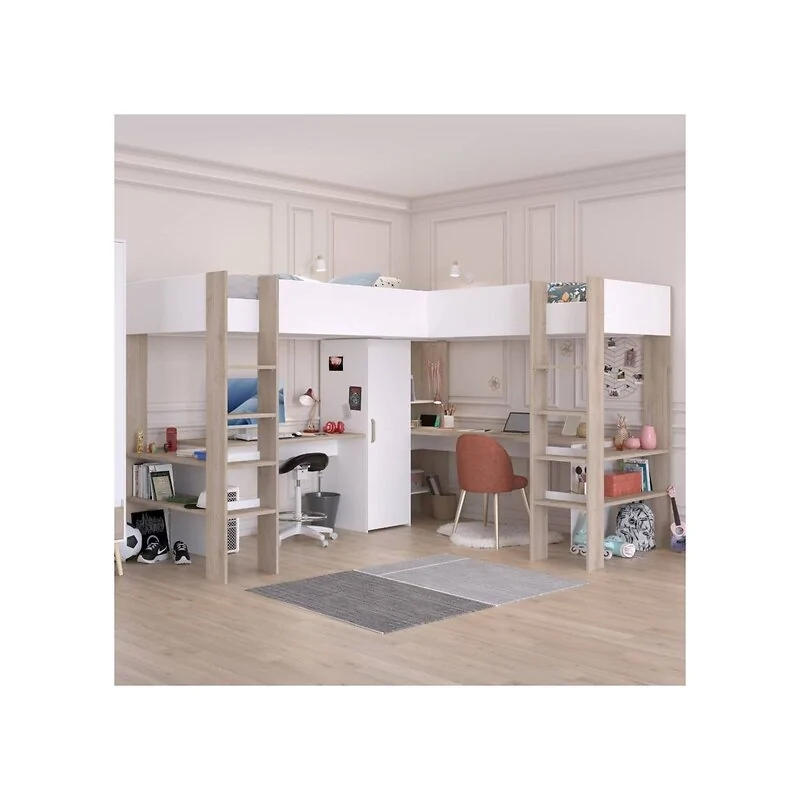
High sleepers and cabin beds both help make the most of small UK bedrooms, yet they work in different ways. A high sleeper raises the mattress to create usable space below for a desk, sofa or storage, while a cabin bed keeps everything closer to the ground with integrated storage and play areas. The right choice depends on your child’s age, the room layout and how you want to use the freed-up floor area.
How High Sleepers and Cabin Beds Differ
High sleepers, sometimes called loft beds, position the sleeping platform well above the floor so the area underneath can hold furniture or storage. Cabin beds sit lower, often with a raised platform just high enough for drawers, a desk or a small seating area built in. Both styles suit single beds measuring 90x190cm, but the height difference changes what you can fit beneath them.
In many British terraced houses and flats, where bedrooms can be compact, the extra vertical space a high sleeper offers often makes a noticeable difference. Cabin beds tend to feel more enclosed and cosy, which some children prefer.
Typical UK Bedroom Sizes and Floor Space Gained
UK children’s bedrooms vary widely. A small box room might measure around 2.5m by 2.5m while a larger one could reach 3m by 3.5m. Placing a standard single bed on the floor uses roughly 1.7 square metres. Both high sleepers and cabin beds reduce that footprint by allowing other furniture to sit underneath or alongside.
A high sleeper can free up enough space for a desk and chair or even a small sofa bed, effectively doubling the usable floor area in tight rooms. Cabin beds usually allow for storage drawers or a pull-out desk but leave less headroom underneath, so the space gained is more modest. In a 2.5m square room a well-chosen high sleeper can leave enough clear floor for play, whereas a cabin bed might still require some items to sit elsewhere.
Room shape matters
Long narrow bedrooms often suit an L-shaped high sleeper that tucks the desk or seating into the corner. Square rooms work well with cabin beds that keep the layout simple and leave open space in the centre.
When to Choose a High Sleeper
High sleepers suit school-age children and teenagers who need a dedicated study area. The raised bed creates a clear workspace below that stays separate from toys and clothes. Many designs include integrated storage steps or cupboards that reduce the need for extra furniture.
They work especially well in rooms shared by siblings or in homes where the bedroom also serves as a homework space. For older children the height adds a sense of independence and can even accommodate a small seating area for relaxing.
If your child is under six, consider safer lower options first. Top bunks are generally not recommended for children under 6. Always check current recommendations from RoSPA for home safety.
Explore more ideas in our Kids' Beds with Desks collection or see the full range of Kids' High Sleeper & Loft Beds.
When a Cabin Bed Makes More Sense
Cabin beds suit younger children who like enclosed, den-like spaces. The lower height feels secure and easy to climb in and out of, and many include built-in bookshelves, drawers or a small desk that keeps the room tidy without taking extra floor area.
They pair nicely with themed bedrooms and can grow with a child if you choose a design with storage that adapts as needs change. In rooms that already have a separate desk or play table elsewhere, the cabin bed’s modest height can be an advantage.
Our Kids' Cabin Beds range includes practical options that combine sleep and storage without dominating the room. You can also browse Kids' Mid Sleeper Beds for a middle-ground choice.
Storage and Multi-Function Designs
Both styles come with clever storage, but the type differs. High sleepers often feature large cupboards or a full desk underneath while cabin beds tend toward drawers, shelves and sometimes a trundle option for sleepovers. Look for designs that match your child’s daily routine.
Gaming setups have become popular in recent years. Several high sleepers now include pull-out desks or monitor shelves that keep screens at a comfortable height while freeing the floor for movement. For children who prefer imaginative play, a cabin bed with a house-like frame can double as a play space during the day.
See our selection of Kids' Storage Beds for more inspiration, or view Flair Kids Beds and Furniture for practical, sturdy choices.
Combining with Themed Rooms
Both high sleepers and cabin beds can sit happily in themed bedrooms. A space-themed high sleeper with a simple ladder can feel like sleeping in a rocket, while a cabin bed with colourful panels becomes a woodland hideaway. Choose neutral bases if you like to change themes as children grow.
Our Themed Kids Bedrooms collection shows how these beds fit into everything from pirate ships to modern minimalist rooms. For younger ones, pairing a cabin bed with items from our Kids Furniture range creates a cohesive look without crowding the space.
Making the Final Decision
Measure your room carefully and think about how your child uses the space. If homework or a quiet reading nook is the priority, a high sleeper usually wins on floor area. For younger children or rooms that need a cosier feel, a cabin bed often feels more practical and safer.
Many families start with a mid-height option and move to a full high sleeper as children get older. Whichever style you pick, the goal remains the same: creating a bedroom that feels calm, organised and enjoyable for your child.
Browse the full Kids Beds selection to compare styles side by side. For specific examples, the Parisot Alexandra L Shaped High Sleeper Bed with Desk & Storage shows how much a high sleeper can achieve in a compact room, while the Parisot Cleo Single Mid Sleeper Cabin Bed with Storage & Desk offers a lower, more accessible alternative.