
Electrical Safety in Children's Bedrooms
Keeping children safe from electrical hazards in their bedrooms is straightforward when you focus on three key areas: socket covers, cord management and where you place appliances. UK guidance from bodies such as RoSPA and the Electrical Safety First organisation recommends simple habits that reduce risk without turning your home into a fortress. This guide walks through practical steps that fit around normal family life.
Why electrical safety matters in kids' bedrooms
Bedrooms often contain lamps, chargers, night lights and sometimes small heaters or fans. Toddlers and young children are naturally curious and may explore sockets, tug on cords or try to climb furniture to reach plugs. Taking a few minutes to check your setup can prevent accidents. Most improvements are easy to reverse as children grow.
Choosing and using socket covers
Socket covers are one of the simplest first steps. Look for covers that fit firmly into UK three-pin sockets and cannot be easily pulled out by small fingers. Some designs include a spring-loaded shutter that only opens when a plug is inserted, offering an extra layer of protection.
Remember that covers are a temporary aid rather than a permanent solution. As children get older and start using devices themselves, teaching them how to plug and unplug safely becomes more important. Always check that covers are BS 5733 compliant if you want to follow the highest UK standards.
When you are arranging the room, consider which sockets are within easy reach of the bed or play areas. Covering unused sockets in these zones first makes good sense. For rooms with many appliances, you may prefer socket boxes that enclose the entire plate and have a single switch.
Socket safety around beds and play spaces
If your child has a single bed or a fun themed bed, keep sockets at least a metre away where possible. This reduces the chance of a child reaching from the mattress. In playrooms or nursery corners, the same rule applies: move tempting sockets out of the main activity area or cover them securely.
Cord management to prevent trips and pulls
Loose cords are a common cause of accidents. Children can trip, yank a lamp off a surface or chew on wires. Good cord management keeps everything tidy and out of reach.
- Use cord tidies or cable clips to fix wires neatly against the wall or skirting board.
- Choose short cables where possible so there is less slack to grab.
- Run cords behind furniture rather than across the floor.
- Avoid daisy-chaining extension leads in the bedroom.
For bunk beds or mid-sleeper designs, ensure no cords dangle near the ladder or top bunk. UK guidance generally advises that top bunks are not suitable for children under six, and keeping electrical items away from the upper level is a sensible extra precaution.
In a room with storage beds or cabin beds, route cables so they cannot become trapped when the bed is lifted or folded. A quick nightly check that nothing has moved is a useful habit for parents.
Safe placement of lamps, chargers and appliances
Where you put electrical items matters as much as how you manage the cords. Night lights and reading lamps should sit on sturdy surfaces that a child cannot pull over. Wall-mounted lamps remove the risk of toppling altogether and keep cords hidden.
Phone and tablet chargers are best kept on a high shelf or in a docking station well out of reach. Never leave chargers plugged in on the floor or under the bed where they could overheat or be stepped on. Unplug them when not in use, especially overnight.
Heaters, humidifiers or fans need plenty of clear space around them. Keep them at least a metre from bedding, curtains or soft furnishings. In smaller bedrooms, always follow the manufacturer's instructions.
Creating safe zones around the bed
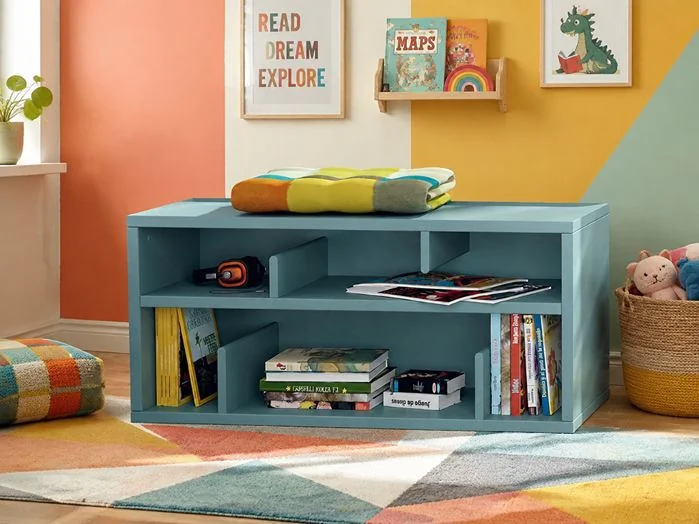
A bedside table can hold a lamp safely if it is anchored or heavy enough not to tip. Some families choose a low bookcase instead of a traditional table because it offers more stability. Our range of low bookcases and children's bedside tables can help keep surfaces tidy and stable.
Integrating safety with bedroom furniture choices
The layout of furniture affects how easy it is to keep electrical items safe. When you choose a new bed, think about where the sockets fall in the room. A storage bed that sits flush to the wall may hide cords neatly, while a loft bed can create a clear floor space that reduces trip hazards.
In themed bedrooms, it is still possible to maintain good safety. Animal-themed or novelty beds can look wonderful without compromising on practical details. Just ensure that any added lighting or decorative elements are properly secured and do not introduce extra cables.
For younger children, rooms that combine sleep and play benefit from clear separation. Keeping electrical appliances in one part of the room and soft play in another helps everyone remember the rules. Our kids bedroom accessories include many storage and organisation pieces that make this easier.
Teaching children about electricity as they grow
Socket covers and tidy cables are helpful, but talking to children about electricity is just as important. Simple rules such as “only adults plug things in” work well for toddlers. As they reach school age, you can explain why water and electricity do not mix and why they should never touch plugs with wet hands.
Older children using their bedrooms for homework or gaming need reminding about not overloading sockets. A visible reminder sticker near the main socket can reinforce the message without nagging.
Regular checks are useful at every age. Every few months, walk around the room and look for new hazards that may have appeared as your child’s interests or height have changed. Moving a favourite chair or adding a new gadget can suddenly put a socket within reach.
Quick safety checklist for children's bedrooms
- Fit socket covers or guards on all unused outlets at child height.
- Secure all cords with clips or covers and keep them off the floor.
- Place lamps on stable surfaces or mount them on the wall.
- Unplug chargers when not in use and never run them under bedding.
- Keep heaters and fans clear of bedding and curtains.
- Check the layout after any new furniture or toy is added.
- Review safety again as your child moves from toddler bed to full-size bed.
Combining these habits with well-chosen furniture makes it simpler to maintain a safe space. Whether you are setting up a nursery corner, refreshing a school-age bedroom or creating a teen haven, the same principles apply. For more ideas on practical furniture that supports an organised and safe room, browse our kids furniture collection or look at kids beds that work with your existing layout.
A safe bedroom gives everyone peace of mind and lets children enjoy their space fully. Small adjustments now can prevent problems later, leaving more time for stories, play and rest.