
Creating Calm Bedtime Rituals for Anxious UK Children
Many parents across the UK look for ways to help anxious children unwind at bedtime. A steady routine that mixes predictability with calming sensory elements often makes the difference between resistance and restful nights. This guide shares practical steps drawn from common experiences of British families, focusing on gentle habits that fit around school runs, tea times and the British weather.
Why bedtime routines matter for anxious children
Children thrive when they know what comes next. For those who feel worry at night, a clear sequence of events signals that the day is winding down safely. The routine reduces decision-making and gives the brain time to shift from alert to rest mode. In UK homes this often starts after bath or shower, story, and lights out, but the exact order can be adapted to suit your family.
Consistency helps more than perfection. Even on busy weekdays the same short sequence repeated nightly builds trust that bedtime is manageable.
Building a simple evening wind-down
Start the routine at the same time most evenings. Many families find 30 to 45 minutes before lights out works well. A reliable pattern might look like this:
- Dim the lights and reduce screens at least an hour before bed.
- Warm bath or gentle wash with familiar products.
- Comfortable pyjamas and a quick tidy of the bedroom.
- Quiet story or audiobook in a cosy spot.
- Brief chat about the day followed by a set phrase such as “sleep tight, see you in the morning”.
Keep the final steps short. Longer chats can stir thoughts; a quick, reassuring exchange often settles the mind better.
Adapting for different ages
Younger ones may need more physical comfort such as a gentle back rub. School-age children often benefit from naming three things they are grateful for or one worry they can “park” until morning. Teenagers might prefer a calm playlist or reading alone once the main routine finishes. Pointing families toward age-appropriate bedroom furniture can help create spaces that grow with them.
Sensory ideas to ease bedtime worries
Anxious children often respond well to sensory input that feels grounding. Weighted blankets, soft lighting and familiar scents can all play a part. In many British homes a small night light that casts a warm glow helps children who fear the dark. Lavender or chamomile pillow sprays are popular, though always check with a GP or health visitor before introducing new scents around young children.
Some families create a “calm box” kept beside the bed. It might contain a smooth stone to hold, noise-cancelling headphones with gentle sounds, or a soft toy that smells of home. These items give children a sense of control when worries surface.
Consider how the bedroom itself feels. A cosy reading nook or comfortable seating can make the pre-bedtime story feel inviting rather than abrupt. Children’s daybeds offer flexible space for quiet time before sleep and can double as a reading spot during the day.
Using play and imagination to release the day
Many UK children carry the day’s energy into bed. Gentle play earlier in the evening helps them process feelings. A few minutes of quiet storytelling with puppets or a hospital play set can let children act out worries in a safe way. The Kids Concept Aiden Wooden Hospital Play Set is one example that encourages imaginative release before the wind-down begins.
Physical movement such as a short family yoga session or simple stretches can also help bodies relax. After active play, transition smoothly into the bath and story part of the routine.
Creating a bedroom that supports calm
The physical space matters. A tidy room with soft textures and places to store the day’s belongings reduces visual stress. Storage solutions that keep toys out of sight at night are especially useful. Families often choose beds that combine sleeping and storage so the floor stays clear.
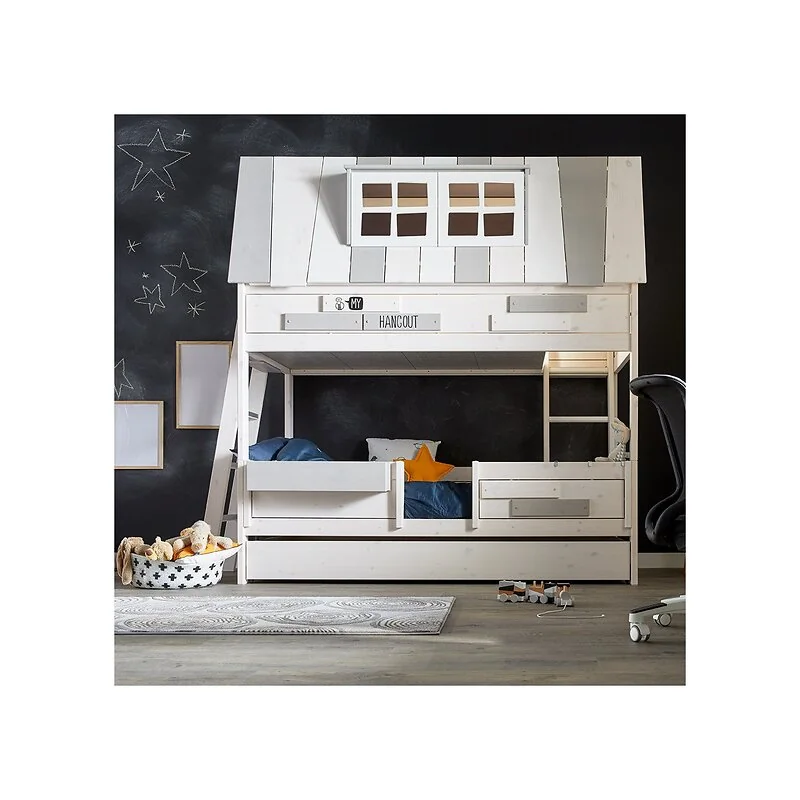
Consider kids’ storage beds that keep favourite items close but contained. For children who like to feel enclosed, a cabin-style bed can create a snug den that feels protective. The Lifetime Adventure Hangout Kids Bed with Treehouse Den gives a secure, imaginative space that many anxious children find reassuring.
Soft furnishings also help. A comfortable mattress suited to growing bodies supports sound sleep. Refer to the product page for details on the DualDreams Climate Smart Kids Sprung Mattress.
Handling night-time worries when they appear
Even with the best routine, some evenings bring tears or calls for parents. A calm, brief response works best. Reassure, remind them of the routine phrase, and gently return them to bed. Over time this teaches that worries can be managed without endless reassurance.
Keeping a worry journal by the bed can help older children. They write or draw the thought, close the book, and agree to leave it until morning. Pairing this with a comforting night light or familiar soft toy often eases the transition back to sleep.
Small extras that make routines special
Thoughtful touches turn a routine into something children look forward to. A special bedtime story book reserved only for evenings, or a rotating selection of cosy pyjamas, can add gentle excitement. Some families use a “bedtime bear” that “whispers” positive messages.
For children who enjoy role play, a small vanity area where they can brush hair and prepare for bed adds ritual. The Kids Vanity Table And Stool In Princess Design turns part of the routine into gentle pretend play that many girls and boys enjoy.
Seasonal adjustments help too. In winter, warmer lighting and thicker bedding feel natural. During lighter UK summer evenings, blackout blinds and a consistent bedtime prevent the long days from disrupting sleep patterns.
Finally, remember that parents need calm too. When adults model steady breathing or a quiet voice, children pick up on the cue. A short shared mindfulness moment, such as noticing five things you can see in the room, can settle everyone before the final goodnight.
Building these rituals takes patience, but many UK families notice improvements within a few weeks. Start small, stay consistent, and adjust as your child grows. The goal is not a perfect bedtime but a predictable, kind one that helps anxious minds feel safe enough to rest.