
Changing Unit Height Guide for UK Parents
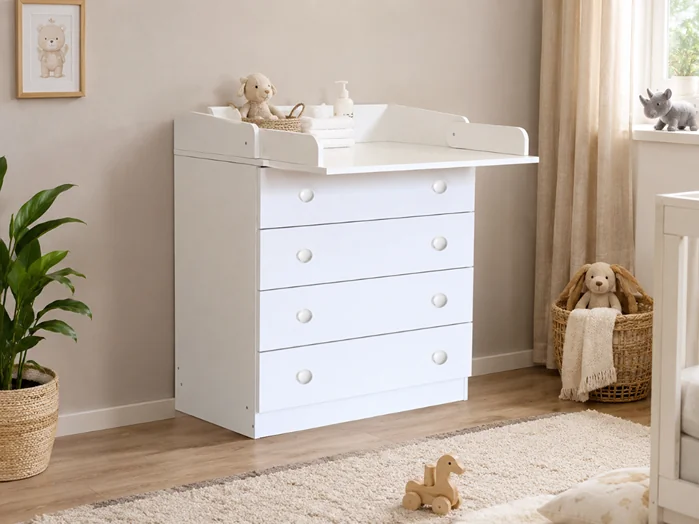
Choosing the right changing unit height helps prevent back strain during the many nappy changes ahead. The best choice depends on your own height and the layout of your home. This guide explains how to pick an ergonomic, back-friendly changing unit with useful safety features.
Why changing unit height matters for your back
Leaning over a unit that is too low or too high puts pressure on your lower back and shoulders. In British homes with older floors or smaller rooms, the height of the changing surface can make daily routines easier or harder. A well-chosen height lets you stand naturally with elbows at a gentle angle, reducing strain over time.
Many carers find that a height close to hip level works best. Taller parents often prefer slightly higher units while those who are shorter may feel more comfortable with a lower profile. Always check the product page for exact measurements before you decide.
Standard heights and what suits different carers
Changing units in the UK commonly sit between 85cm and 105cm tall. If you are around average UK adult height, aim for a surface near 95cm. This allows you to change nappies without hunching or stretching.
- Taller carers (over 180cm) often choose units closer to 100-105cm to avoid bending.
- Shorter carers or grandparents may prefer 85-92cm for easier reach.
- Units with removable changing boards give you flexibility as your baby grows.
The Kidsaw Kudl Kids 4 Drawer Changing Unit with Removable Board White offers a practical height for many families and includes storage that grows with your child.
Back-friendly designs that help every day
Some changing units are designed with a slight curve or angled front that brings the baby closer without forcing you to lean. Others include wide tops that give plenty of room for wipes, cream and a spare nappy so you do not have to twist or reach awkwardly.
Look for models with smooth edges and stable bases. Dresser-style units that can later become bedroom storage are popular in UK nurseries because they serve two purposes and save space in smaller homes.
The Obaby Stamford Dresser & Baby Changing Unit in White is a good example of a versatile piece that many parents use from newborn days right through to the toddler years.
Safety rails and features to look for
A raised safety rail around the changing surface helps stop little ones rolling. Most modern units have a contoured top or integrated rails that meet current safety expectations. Always keep one hand on your baby and never leave them unattended.
For added peace of mind, choose a unit that can be fixed to the wall if it is tall or narrow. This is especially useful in homes with uneven floors or where space is tight. Official UK guidance from RoSPA reminds parents to follow basic home safety rules such as keeping changing supplies within easy reach but out of baby’s grasp.
If you already own an IKEA Malm dresser, the Kidsaw Kudl Kids Changing Board Extension Kit for IKEA Malm White can add height and a safety lip without replacing the whole piece.
Choosing a changing unit that grows with your family
Many UK parents prefer units that convert once the changing days are over. A chest of drawers with a removable top board can become ordinary bedroom storage, which is useful in rooms that need to work for both baby and growing child.
Some designs combine a cot and changing unit in one footprint, ideal for smaller nurseries. The Kidsaw Kudi Combi 4 in 1 Cot Bed with Changing Unit White is one such space-saving option that many families appreciate.
For a more modular approach, the Vox Simple Customisable Baby Changing Unit lets you adjust the look and later remove the changing section entirely.
Practical tips for British homes
Measure your room and the height of everyone who will use the unit. Factor in skirting boards and any underfloor heating that might affect placement. In older houses with high ceilings, a taller unit can look more in proportion.
Think about lighting too. Position the unit near a window or under a good overhead light so you can see clearly without bending closer. Keep a small stool nearby if you sometimes prefer to sit while changing a wriggly toddler.
Once your baby moves into a toddler bed, safety rails become even more important. Our range of fun toddler beds includes models with sturdy rails designed for little ones transitioning from the cot.
Making the nursery work for the whole family
A comfortable changing setup is only one part of a practical nursery. Many parents pair their chosen unit with storage that keeps the room tidy and easy to move around in. A well-planned layout reduces bending and stretching throughout the day.
If you are also thinking ahead to the bedroom stage, explore our kids furniture collection for pieces that coordinate with your changing unit. From single beds to storage solutions, there are plenty of options that grow with your child.
Choosing the right height from the start makes those early months smoother for everyone. Take time to consider your own posture and the space you have, then browse the full selection of changing units to find the one that suits your family best.