
Building Emotional Resilience with a Cozy Home Den
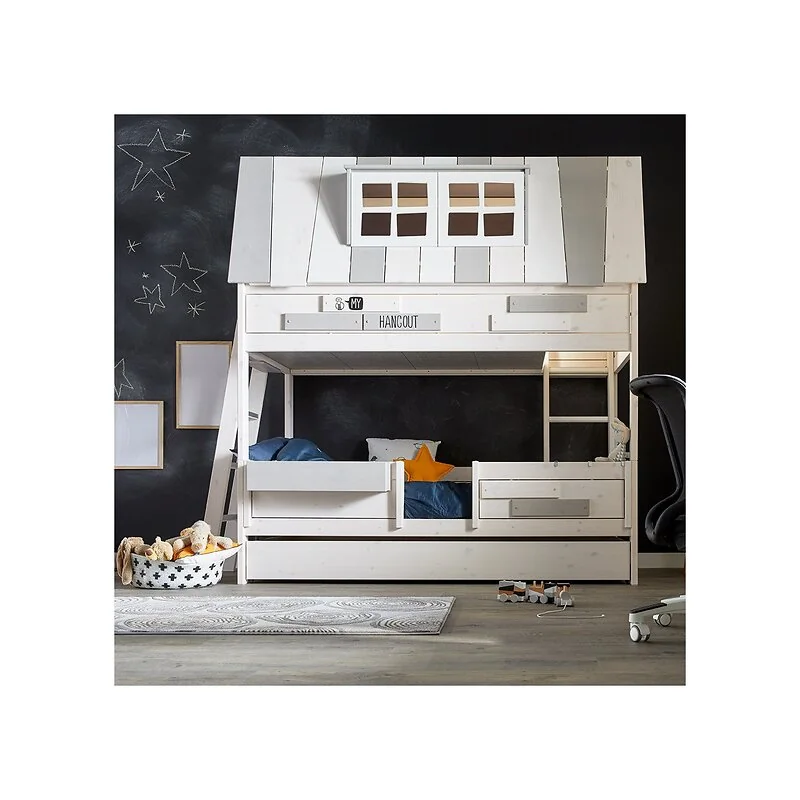
A cosy den stocked with books and soft furnishings can give children a quiet place to process their feelings independently. These dedicated calm spaces encourage emotional regulation by offering a safe spot to unwind, read or simply sit with their thoughts away from the bustle of family life.
Why children need calm spaces at home
UK families often juggle busy schedules, school demands and after-school clubs. In the middle of all that, children sometimes struggle to name or manage strong emotions such as frustration, worry or sadness. A den provides a consistent, predictable retreat where they can step away and begin to understand those feelings without adult intervention every time.
Over time this independent processing helps build emotional resilience. Children learn that difficult feelings pass and that they have tools, such as a favourite book or cushion, to help them feel grounded again.
Choosing the right spot for your den
Look for a corner of the playroom, bedroom or even a quiet landing. The space does not need to be large. What matters is that it feels enclosed and welcoming. Many families use existing furniture to create boundaries or add a simple canopy for a sense of shelter.
Good natural light during the day and the option to soften it with a lamp in the evening both help. Avoid high-traffic areas so the den stays a peaceful zone rather than part of the general thoroughfare.
Furnishing a cosy den with soft furnishings
Soft furnishings are the heart of any emotional regulation den. Layer cushions, beanbags and blankets so children can arrange them to suit how they feel. Some days they might want to burrow; other days they might simply lean against something supportive.
Soft Furnishings such as the Cozy Living Floral Bird Print Cotton Cushion Cover - Dove and the Cozy Living Aida Floral Cushion Cover add gentle colour and texture that invite touch. A Living & Home Modern Pleated Storage Ottoman offers extra seating and somewhere to tidy away blankets when the den is not in use.
Consider adding a comfortable chair for older children or adults who may sit nearby while still giving the child space. The Living & Home Contemporary Linen Buttoned Rocking Chair tucks neatly into many den layouts and provides a gentle rocking motion that many children find soothing.
Creating comfort underfoot
A rug or large floor cushion makes the den feel complete. Children often lie on the floor to read or draw, so choose something that is easy to clean and kind to bare feet or knees.
Stocking the den with books for emotional literacy
Books are powerful tools for helping children recognise and name emotions. Keep a rotating selection in the den so it never feels stale. Picture books about feelings, stories featuring characters who overcome worries, and calming mindfulness books all have a place.
A dedicated bookshelf keeps volumes within easy reach. The Living & Home Kids' House Frame Rotating Bookshelf is especially popular because its playful house shape doubles as decoration while making book selection simple for little hands.
Pair books with a small notebook and pencils so children who like to draw or write can express what they cannot yet say out loud. This combination of reading and creating supports different learning styles and deepens emotional understanding.
Linking the den to bedtime routines
Many children benefit from using their calm space as part of the wind-down before bed. A few quiet minutes with a book and soft lighting can ease the transition from active play to rest. Families often incorporate elements from the den into the wider bedroom to create consistency.
Children's Single Beds that include built-in reading nooks or nearby storage make it easy to keep favourite books close at hand. For smaller rooms, a Children's Daybed can serve both as daytime seating for the den and a proper bed at night.
If you are furnishing a whole room, explore Kids Furniture collections that blend practical storage with calm design. The Lifetime Adventure Hangout Kids Bed with Treehouse Den is a standout because its integrated den area naturally becomes a favourite spot for quiet time as well as sleep.
Encouraging independent use of the space
The goal is for children to choose the den themselves when they need it. You can help by naming it together, perhaps calling it the “calm corner” or “feelings den”, and demonstrating how to use it. A simple visual chart showing feelings and matching activities (read, squeeze a cushion, breathe slowly) can be pinned inside for reference.
Resist the urge to direct every visit. Trust that even sitting quietly with a blanket is valuable processing time. Over weeks and months most children start to recognise when they need the space and head there without prompting.
Adapting the den as children grow
What works at age five may need tweaking by age nine. Keep the core elements of softness and books but allow older children to personalise the space. They might swap picture books for chapter stories or add headphones for calming music.
Modular furniture helps. A Home Accessories range that includes washable cushion covers and lightweight throws means you can refresh the look without starting from scratch. For shared playrooms, consider pieces that can be moved between siblings as needs change.
Many families also link the den to broader playroom ideas, using it alongside open-ended toys that encourage imaginative expression of feelings. A simple rotation of resources keeps the area inviting without overwhelming the senses.
Small touches that make a big difference
Lighting, scent and sound all influence how calming a space feels. A dimmable lamp, a favourite blanket that smells of home, or a small playlist of gentle sounds can turn an ordinary corner into a true refuge. These sensory elements reinforce the message that the den is a kind place for difficult emotions.
Remember that the den is not a punishment spot. Framing it as a positive resource helps children associate it with self-care rather than time-out. Over time they internalise the idea that looking after their emotional wellbeing is a normal, valued part of daily life.
Creating a cosy den need not be complicated. With thoughtful soft furnishings, accessible books and a bit of imagination, you can give your child a tool for emotional resilience right in your own home.